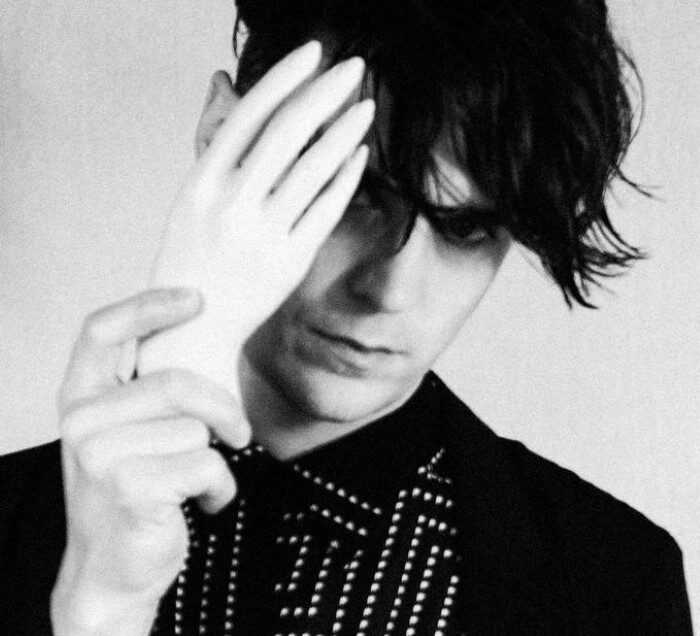

Noi di Rockoon abbiamo avuto modo di scambiare quattro chiacchiere con Automelodi in seguito al suo tour europeo che l’ha visto esibirsi anche in Italia. Nel corso dell’intervista ci ha raccontato qualcosa in più in merito al suo ultimo EP “Cavallo”, pubblicato lo scorso anno. Inoltre abbiamo avuto modo di parlare anche della recente esperienza nel nostro paese.
Ciao e benvenuto su Rockoon. Prima di tutto, come stai?
Nel complesso, abbastanza bene. Sono appena tornato da un tour di un mese in Europa e ora io e la mia agenzia stiamo già pianificando altre date del tour per il 2026. Quest’inverno sono anche piuttosto impegnato in studio, il che è un ottimo modo per (quasi) ignorare il fatto che fuori ci sono -30° °C.
Di recente hai pubblicato il tuo nuovo EP “Cavallo”. Puoi raccontarci qualcosa in più a riguardo?
Questo EP è il primo risultato del mio ritorno ad Automelodi dopo aver trascorso i primi anni post-pandemici concentrandomi sul lavoro di mixaggio e produzione (per artisti come Laura Krieg, Bootblacks, The Harrow, ecc). Canzoni come Cavallo e Western Sans Serif erano già state scritte e suonate in precedenza durante la pandemia, ma non ho avuto il tempo di finire la maggior parte dei brani prima del 2024.
Perché hai scelto di pubblicare un EP e non un album?
Dopo l’uscita del singolo digitale di Cavallo nel 2024, amici ed etichette discografiche hanno manifestato un certo interesse per la possibilità di pubblicarlo come singolo in vinile. A quel punto ho capito che volevo pubblicare anche altri nuovi brani. Alcuni di questi erano piuttosto ampie in termini di struttura, in parte a causa del modo in cui le ho sviluppate spontaneamente e le ho eseguite dal vivo. Forse la mia esperienza come DJ part-time ha alimentato questa prospettiva, ma mi piace molto il modo in cui molti singoli classici italiani riescono a presentare sia una componente musicale molto melodica sia una dimensione ritmica ipnotica e lenta. Mi piace il modo in cui ascoltatori, ballerini e DJ possono interagire in modo diverso con questo. Il formato singolo in vinile da 12 pollici o EP è ideale per questo perché consente quel tipo di espansività sfaccettata senza sacrificare la qualità audio. Naturalmente questo mi lascia con alcune altre canzoni ancora in attesa di essere pubblicate, ma forse saranno per un altro EP l’anno prossimo.
“Cavallo” è una parola italiana per rappresentare l’animale del cavallo. Perché hai scelto questo titolo?
Il testo della traccia che dà il titolo all’album è in gran parte costruito attorno alla metafora di un cavallo selvaggio che corre in giro (più o meno senza meta… “Bientôt nulle part au galop”). Mi piace molto il suono della lingua italiana, quindi avevo voglia di costruire l’immagine di un personaggio tragicomico chiamato ““Cavallo”, piuttosto che semplicemente “cheval” (cavallo), anche se uso anche la parola cheval nel testo. Ciò crea una dualità in cui il personaggio rimbalza tra banalità e romanticismo. Suppongo che uno scrittore italiano avrebbe potuto fare lo stesso processo viceversa usando invece la parola francese per il “personaggio”.
Come si è evoluto il tuo processo di registrazione nel corso degli anni?
Se penso al modo in cui registravo verso la metà degli anni Novanta, l’hardware era assolutamente fondamentale in ogni fase. Non avevo molto budget ma fortunatamente i sintetizzatori analogici di seconda mano erano convenienti. Farei quindi del mio meglio per sincronizzare il sequenziatore con un registratore a nastro a 4 tracce. A volte invitavo un amico a girare qualche pulsante e interruttore in più quando il mixaggio diventava troppo complesso solo per le mie mani. Per molti versi, questo era simile all’approccio fai-da-te di alcuni degli artisti elettronici dei primi/metà anni ottanta che per primi mi influenzarono.
Poi, intorno al 2000, è avvenuta la rivoluzione informatica “DAW” che ha aperto molte possibilità. Ora apprezzo molto come così tanti di questi aspetti della produzione possano essere gestiti da un singolo computer, ma penso che ciò che ho sperimentato in passato mi permetta ancora di pensare fuori dagli schemi in un contesto di studio attuale, parzialmente virtuale.
Come pensi che si sia evoluto il tuo suono nel corso degli anni?
Per sviluppare ulteriormente ciò che dicevo riguardo al mio processo di registrazione, il contesto tecnico dello studio in cui ho avviato il progetto Arnaud Lazlaud negli anni Novanta, insieme al fatto che ero un po’ più ingenuo nel mio approccio, hanno in qualche modo contribuito a far suonare la mia musica più simile al synth-pop di metà anni Ottanta, anche se non stavo cercando specificamente di imitare nessuna di queste band. Poi la tecnologia di registrazione si è evoluta molto rapidamente intorno alla fine del 21° secolo. Tra quel periodo e l’uscita del primo EP Automelodi nel 2009, ho collaborato con un certo numero di musicisti di Montreal con i quali condividevo un certo interesse per la musica sperimentale degli anni ’70’: cose come Kraut Rock, i primi dischi di Brian Eno e materiale psichedelico/atmosferico come le colonne sonore che Goblin ha registrato per i film di Dario Argento. Questi amici musicisti e le loro influenze hanno portato molti più strumenti “organici” nel mix (vera batteria/percussioni, chitarre, ecc.) e man mano che condividevamo lo spazio in studio ho trovato sempre più modi per integrare e fondere questi suoni con i sintetizzatori, in parte perché le nuove apparecchiature di registrazione lo rendevano più semplice. Potete ascoltare molti risultati di queste collaborazioni ed esperimenti sul primo EP di Automelodi e poi sull’LP pubblicato nel 2010. Da allora il mio approccio al suono è gradualmente tornato verso un suono più puramente elettronico, pur mantenendo una certa apertura organica durante tutto il processo creativo. Per quanto mi piaccia sperimentare, credo che ultimamente mi sia sentito attratto anche da alcuni degli aspetti più ingenui del mio sound precedente.
Hai appena terminato il tuo tour europeo. Hai una città o un posto preferito in cui suonare?
Non penso di avere necessariamente un posto “preferito” in cui suonare perché in definitiva l’intera esperienza dipende molto dal contesto, dalle circostanze e dal fattore umano. In questo caso ero particolarmente entusiasta di tornare in Italia, Spagna, Svizzera e Grecia. Nel caso delle ultime due non ci andavo da 13 anni. Anche Istanbul era davvero speciale. Questa è stata la mia prima volta nell’Asia occidentale.
Come scegli le canzoni da suonare dal vivo?
Cerco sempre di trovare un equilibrio tra le mie canzoni più recenti e il materiale più vecchio che mi sembra ancora rilevante nel periodo in cui suono un certo concerto (specialmente quando sono in tournée). Dipende anche da altri fattori, come il tipo di locale/evento, se sarò l’headliner o solo l’apripista e per quanto tempo mi sarà consentito suonare. Nel complesso vorrei avere più possibilità di suonare brani più lenti e atmosferici, ma raramente posso aspettarmi che il pubblico abbia una capacità di attenzione sufficiente per un materiale del genere, soprattutto se non sono l’headliner.
Sei venuto anche in Italia per tre spettacoli dal vivo, uno vicino alla mia città (quello a Succivo). Come hai trovato i fan italiani e com’è per te suonare nel nostro paese?
Amo l’Italia. Amo la storia in generale e l’Italia è un paese con una storia molto profonda e complessa, quindi c’è sempre qualcosa di nuovo da scoprire ogni volta che ho la possibilità di tornarci. Percepisco anche un mix davvero unico di raffinatezza e sensualità in molta della musica italiana che mi ha influenzato in passato, come Chrisma, Roberto Cacciapaglia e molti dei singoli Italo Disco più “oscuri”. Ho la sensazione che molti dei fan italiani che incontro condividano probabilmente, in una certa misura, questa sensibilità unica.
Ultima domanda. Vorresti lasciare un messaggio ai nostri lettori per convincerli ad ascoltare il tuo nuovo EP?
Alcuni dicono che tutto è relativo quando si tratta di gusti musicali, ma sono comunque abbastanza sicuro che il mio nuovo EP sia oggettivamente superiore ad alcune delle altre uscite in circolazione. Inoltre, francamente, se sei arrivato fin qui nella lettura della mia intervista e non hai ancora ascoltato l’EP, a questo punto devi andare ad ascoltarlo.
English version
Hello and welcome to Rockoon. First of all how are you?
Overall pretty good. I recently came back from a month-long tour of Europe and now my agency and I are already planning more tour dates for 2026. I’m also quite busy in the studio this winter, which is a great way to (almost) ignore the fact that it’s -30°C outside.
You recently released your new ep “Cavallo”. Can you tell us a little bit about it?
This EP is the first result of me shifting the focus back on Automelodi after spending the early post-pandemic years prioritizing mixing and production work (for artists such as Laura Krieg, Bootblacks, The Harrow , etc). Songs like Cavallo and Western Sans Serif had already been written and demoed earlier during the pandemic but I only really had time to complete most tracks starting in 2024.
Why did you choose to release an EP and not an album?
After releasing the Cavallo digital single in 2024 there was some interest from friends and labels in the possibility of releasing it as a vinyl single. At that point I knew I also wanted to release more new tracks. Some of those were quite expansive in terms of structure, partially because of the way I spontaneously developed and performed them live. Maybe my experience as a part-time DJ has nourished that perspective but I really like how many classic Italo singles manage to feature both a very melodic song component and a slowly developing, hypnotic rhythmic dimension. I like how listeners, dancers and DJs can all interact differently with that. The 12 inch vinyl single or EP format is also ideal for that because it allows that sort of multifaceted expansiveness without sacrificing audio quality. Of course that leaves me with a few other songs still waiting to be released but maybe that’ll be for another EP next year.
“Cavallo” is an Italian word to say “Horse”. Why did you choose this title?
The lyrics in the title track are largely built around the metaphor of a wild horse running around (more or less aimlessly… “Bientôt nulle part au galop”). I really like the sound of the Italian language so I felt like constructing the image of a tragicomedy character that is referred to as ““Cavallo”, rather than just “cheval” (horse), even though I also use the word cheval in the lyrics. This creates a duality in which the character gets bounced around between triviality and romanticism. I suppose an Italian writer could’ve done the same process in viceversa by instead using the French word for the “character”.
How has your recording process evolved over the years?
If I think of the way I recorded around the mid-nineties, hardware was absolutely crucial in every step. I didn’t have much budget but fortunately second-hand analog synthesizers were affordable. I would then desperately do my best to sync up the sequencer to a 4-track tape machine. Sometimes I would invite a friend over to turn a few extra buttons and switches when mixing became too complex for just my own two hands. In many ways, this was similar to the DIY approach of some of the early/mid-eighties electronic artists that first influenced me. Then around the year 2000, the computer-based “D.A.W” revolution happened and opened up a lot of possibilities. Now I really appreciate how so many of these aspects of production can now be handled by a single computer but I think what I experienced in the past still allows me to think outside of the box in a current, partially virtual studio context.
How do you think has your sound evolved during the years?
To further develop what I was saying regarding my recording process, the technical studio context in which I started the Arnaud Lazlaud project during the nineties, along with the fact that I was slightly more naive in my approach somehow contributed in making my music sound more similar to mid-eighties synth-pop, even though I wasn’t specifically trying to imitate any of these bands. Then recording technology evolved very rapidly around the turn of the 21st century. Between that time and the release of the first Automelodi EP in 2009, I collaborated with a number of Montreal musicians with whom I shared a certain interest for 70’s experimental music: stuff like Kraut Rock, early Brian Eno records and psychedelic/atmospheric material such as the soundtracks Goblin recorded for Dario Argento’s films. These musician friends and influences brought many more “organic” instruments into the mix (real drums/percussion, guitars, etc) and as we shared the studio space I was finding more and more ways to integrate and blend these sounds with synthesizers, partly because new recording gear made it easier. You can hear many results of these collaborations and experiments on the first Automelodi EP and then the LP released in 2010. Since then my approach with sound has been gradually returning towards a more purely electronic sound, while still retaining a certain organic openness throughout the creative process. As much as I love experimenting, I think more recently I’ve also been drawn towards some of the more naïve aspects of my earlier sound.
You just finished your european tour. Do you have a favorite city or place to play?
I don’t think I necessarily have a “favorite” place to play because ultimately the whole experience is very dependent on context, circumstances and the human factor. In this case I was particularly excited about returning to Italy, Spain, Switzerland and Greece. In the case of the latter two I had not been there in 13 years. Istanbul was also quite special. This was my first time in West Asia.
How do you choose the songs to play live?
I always try to find a balance between my newer songs and older material that still feels relevant to me around the time I play a certain concert (especially when I’m on tour). It also depends on other factors like the type of venue/event, whether I’m headlining or just opening and for how long I’m allowed to play. Overall I wish I could have more chances of playing slower, more atmospheric tracks, but I can rarely expect the crowd to have enough attention span for such material, especially if I’m not headlining.
You also came in Italy for three live shows, one near my city (the one in Succivo). How did you find the italian fans and how is it for you to play in our country?
I love Italy. I love history in general and Italy is a country with a very deep and complex history so there’s always something new to discover every time I have a chance to return. I also perceive a very unique mix of sophistication and sensuality in a lot of the Italian music that has influenced me in the past like Chrisma, Roberto Cacciapaglia and many of the more “obscure” Italo Disco singles. I feel that many of the Italian fans I meet probably share that unique sensibility to a certain extent.
Last question. Would you like to leave a message to our readers to convince them to listen to your new EP?
Some say that everything is relative when it comes to musical taste but I am still fairly confident my new EP is objectively superior to some of the other releases out there. Also, frankly if you’ve made it this far into reading my interview and haven’t heard the EP yet, at this point you owe it to yourself to go and listen to it.